
Wetlands
Wetlands are areas that are covered with shallow water or have wet spongy soil most of the time. Bogs, marshes, and swamps are all examples of wetlands.
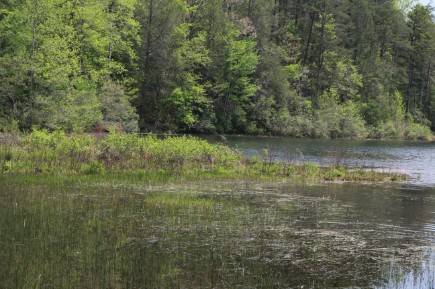
The Ashmore Heritage Preserve in South Carolina is a great example of a wetland. The Preserve contains a bog, covered with sphagnum moss and is home to several rare plant and animal species. Two carnivorous plants that can be found here are the Mountain Sweet Pitcher Plant and the Round-leaved Sundew .
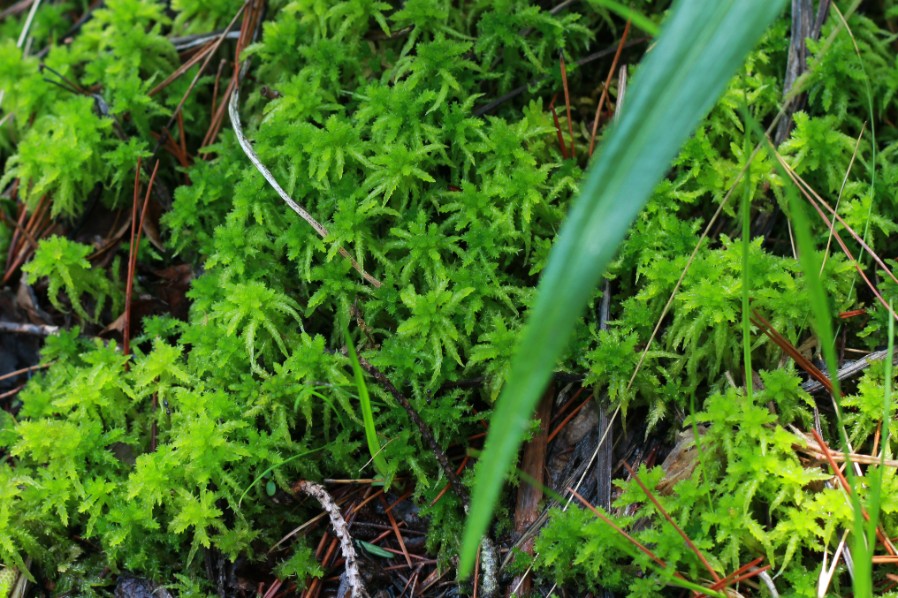
Sphagnum Moss: The base plant in a bog. It makes the water acidic.
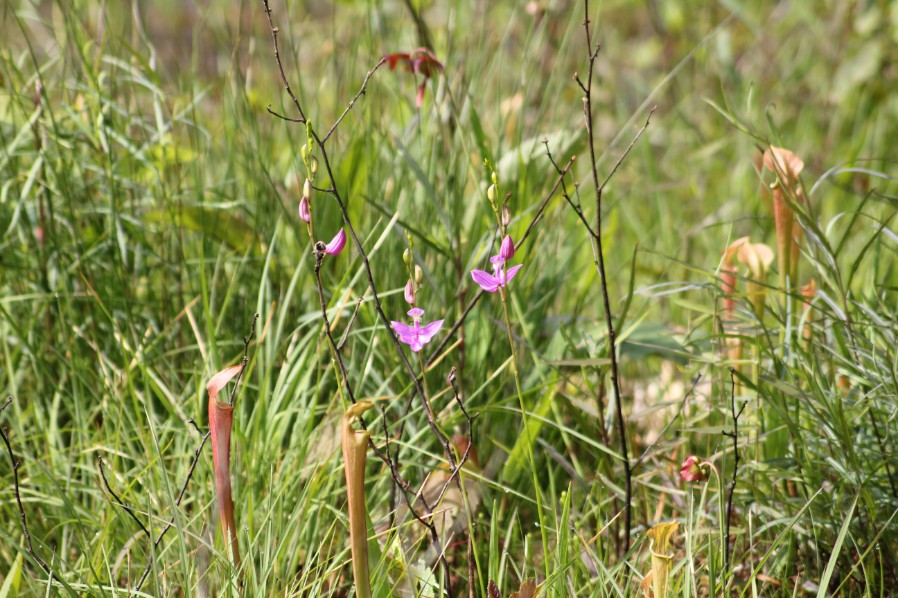
Here are some pitcher plants growing next to Grass Pink orchids (Calopogon tuberosis). Calopogon is derived from the Greek words kalos "beautiful" and pogon "beard."
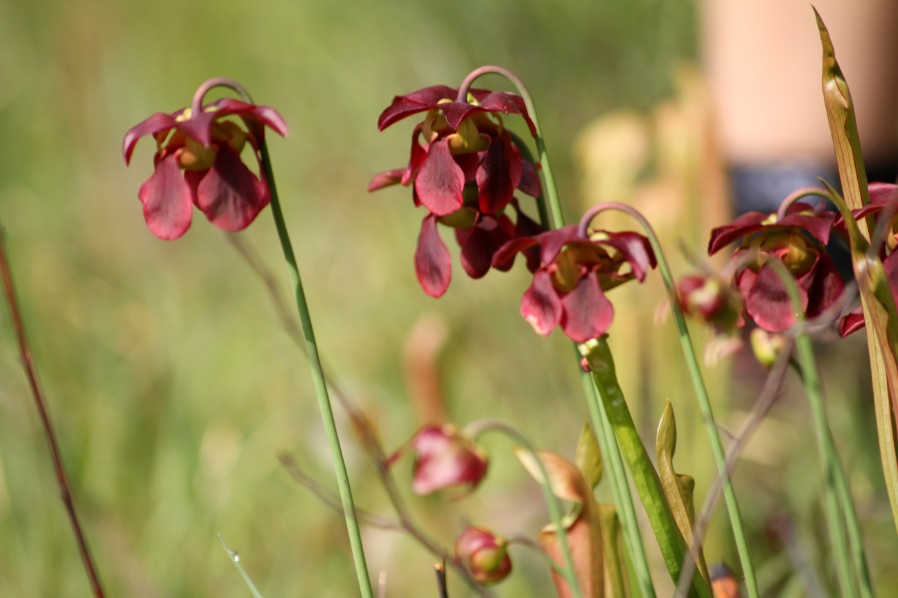
A close-up of the endangered Mountain Sweet Pitcher Plant (Sarracenia jonesii).
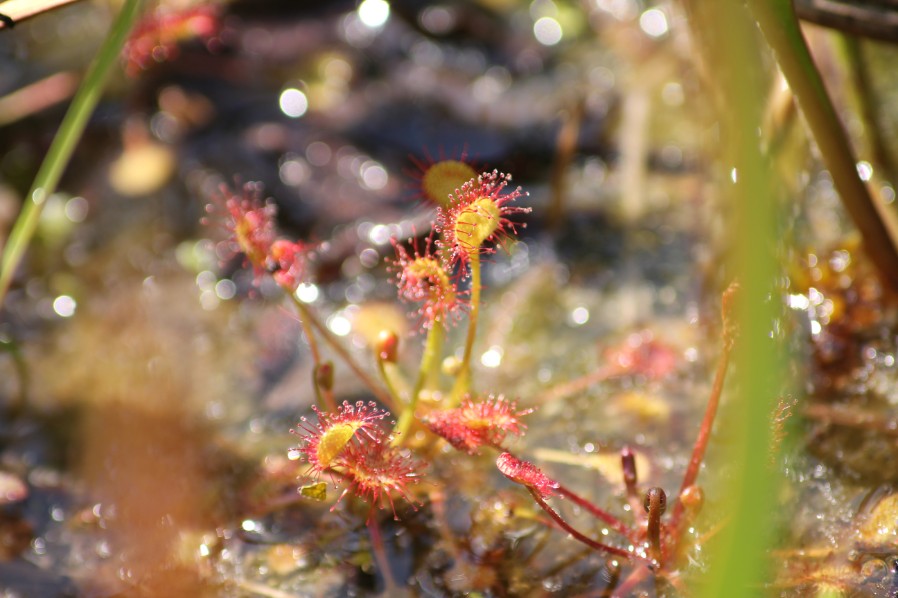
Round-leaved sundew (Drosera rotundifolia). The name is derived from the Greek word drosera "dewy" and the Latin words rodundus "round" and folium "leaf."
Scientific Name Meanings
Utricularia: Latin utriculus (small bag)
Cornuta: Latin cornutus (horned)
Major: Latin magnus (large)
Cypripedium: Greek Kupris, from Kupros Cyprus, legendary birthplace of Aphrodite) + Greek pedilon (sandal)
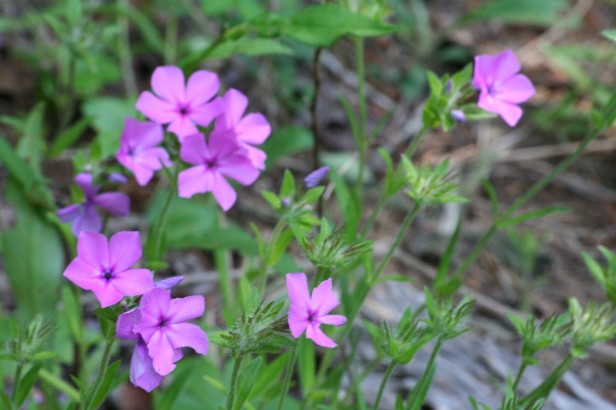
Phlox
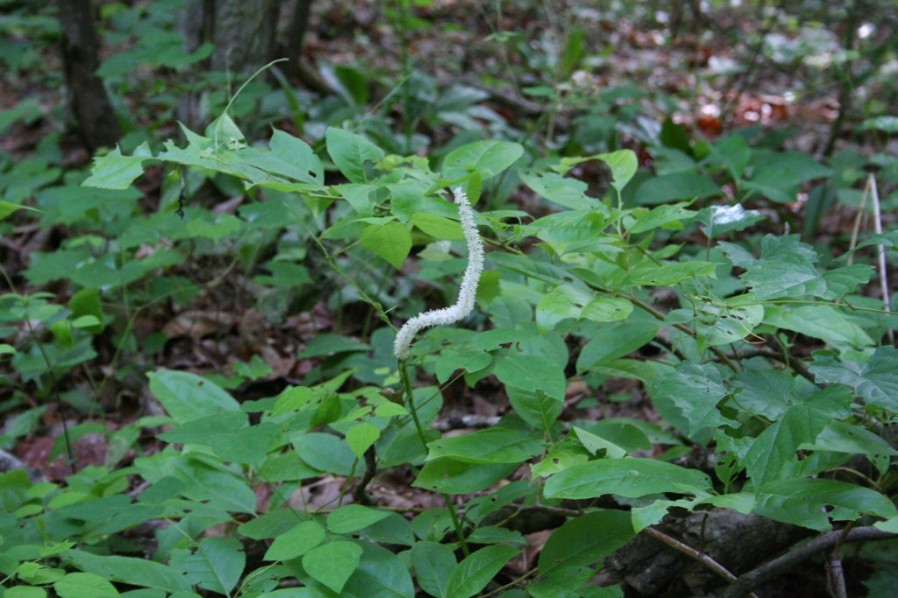
Fairy Wand
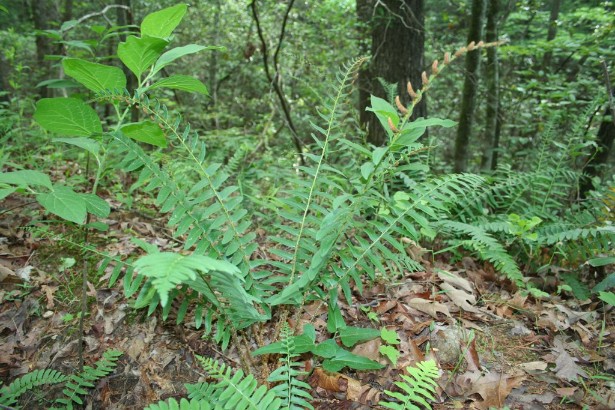
Polystichum acrostichoides (Christmas fern)
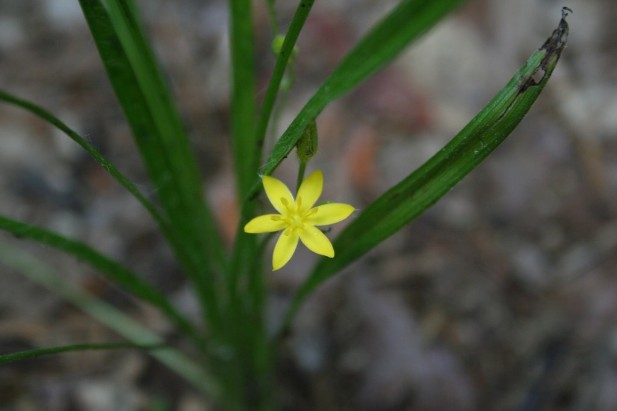
Hypoxis hirsuta (Yellow Star Grass)
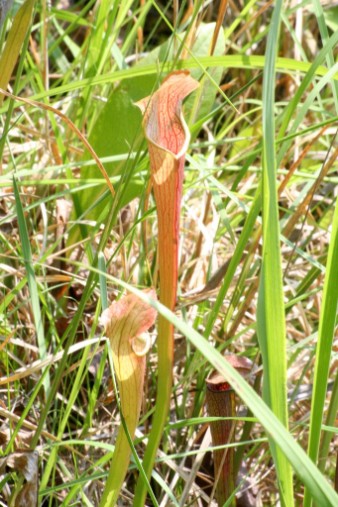
Sarracenia jonesii (pitcher plant)
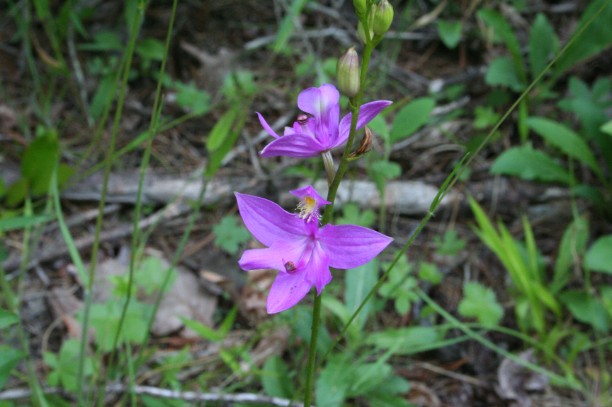
Calopogon tuberosus (Grass pink orchid)
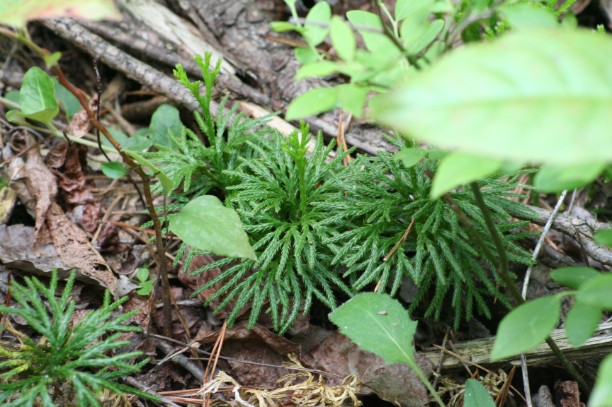
Diphasiastrum digitatum
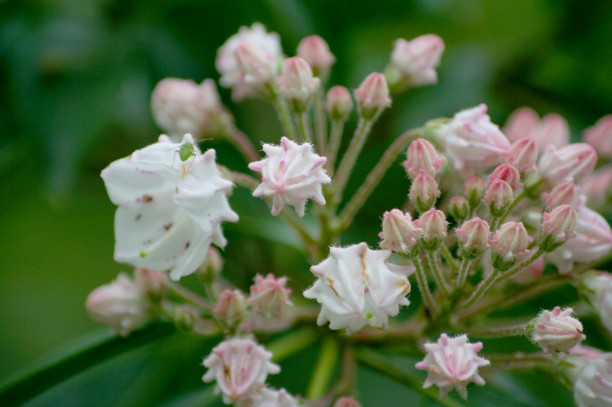
Kalmia latifolia (Mountain laurel)